
A Dorset Summer Menu: What I Cook as a Private Chef in July & August
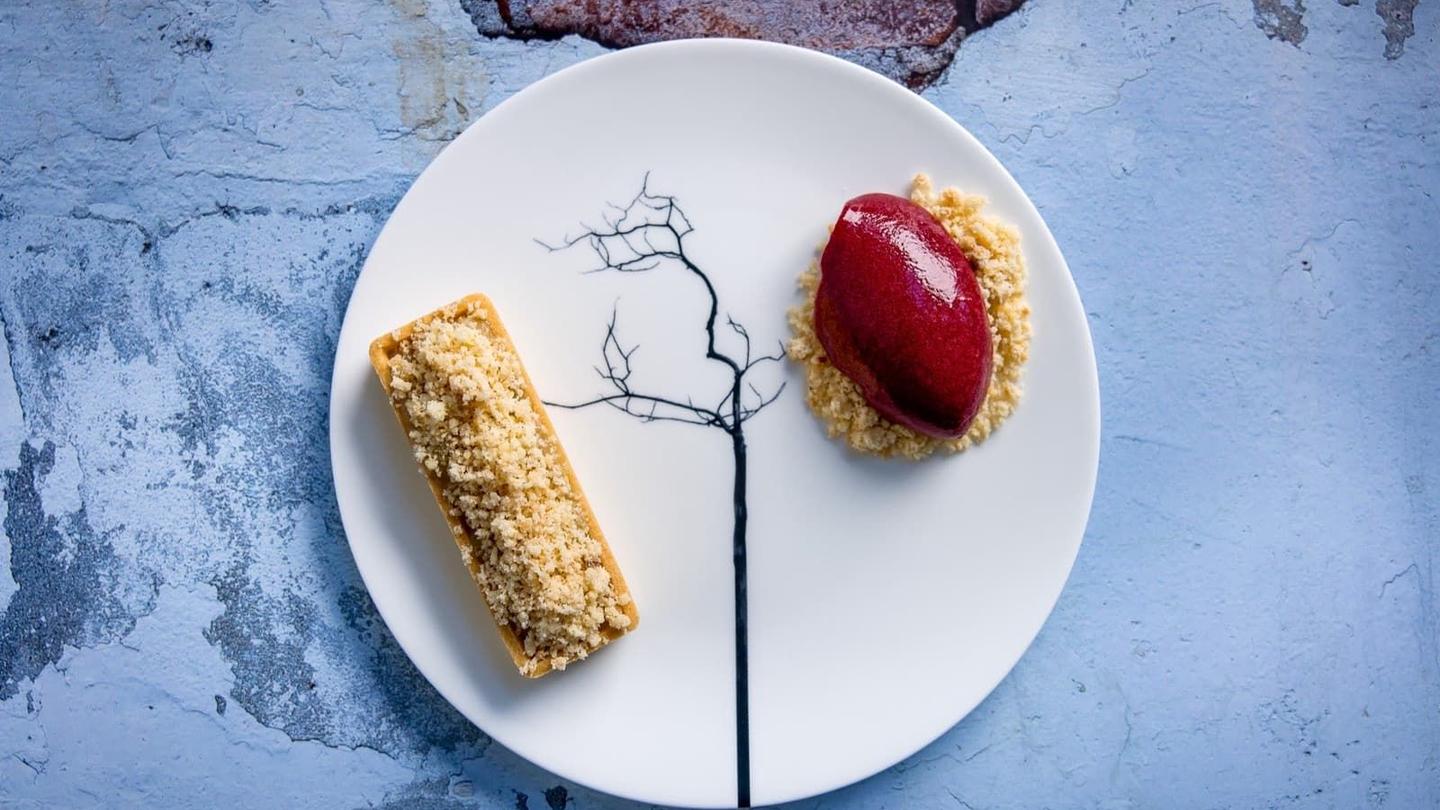
Ask me what I cook in summer and the honest answer is: it depends what the boats brought in that morning. The best private-chef cooking isn’t a fixed menu you order from. It’s built around what’s landed at Poole and picked in the fields that week. And there’s no season where that matters more than a Dorset July and August.
Here’s what’s at its best on the coast right now, the producers I lean on, and a sample five-course summer menu I’d happily cook for you.
Summer is when local sourcing actually shows
Plenty of chefs say “locally sourced” and “seasonal.” In midwinter it’s a nice idea that doesn’t change the plate very much. In high summer it changes everything.
When I can buy sea bass landed that morning three miles away, cut salad leaves that were in the ground at breakfast, and finish a pudding with strawberries picked the day before, the food tastes of something a supermarket menu simply can’t reach. Freshness isn’t a marketing line in summer. It’s the entire point. The shorter the distance and the shorter the time from field or boat to your table, the better the plate. That’s the whole philosophy behind how I cook, and summer is when it pays off most.
What’s in season on the Dorset coast right now
Here’s what I’m building menus around in July and August.
From the boats. This is peak season for the day-boats out of Poole: sea bass, brill, Dover sole, plaice, mackerel, hand-dived scallops and Portland crab. Cold-water shellfish and flat fish are exactly what you want on a summer table: clean, delicate, and best treated simply. If you want to go deep on how a day-boat menu actually works, I’ve written a whole piece on hiring a fish chef in Dorset.
From the fields. Summer vegetables come thick and fast: broad beans, peas, courgettes and their flowers, new-season beetroot, Jersey Royal and new potatoes, heritage tomatoes finally tasting of tomato, and salad leaves at their most tender. Herbs are everywhere: basil, mint, chervil, chive flowers.
Soft and stone fruit. The best part of a summer pudding course. Strawberries, raspberries, blackcurrants, redcurrants, gooseberries, cherries and, if the weather’s played along, the first English apricots and greengages.
Meat. Summer isn’t only about fish. Salt-marsh lamb is superb this time of year, its flavour shaped by the coastal grass it grazes on, and it pairs beautifully with the samphire that comes in alongside it.
Samphire, and the ingredients with a two-week window
Part of the fun of cooking seasonally is chasing the ingredients that are only around for a moment. Marsh samphire is the summer one I get most excited about: a wild, salty, coastal crop with a short window in July and August. It sits naturally alongside day-boat white fish and lamb, needs almost nothing done to it, and by the time it’s gone it’s gone.
That’s the difference between a fixed menu and a seasonal one. When samphire, or the first apricots, or a particular run of scallops turns up, I want it on your plate that week, not filed away for a menu that reprints twice a year. It’s why no two summer bookings I cook are ever quite the same.
My summer suppliers
A menu is only as good as the people you buy from. Mine, through the summer, are:
- Parkstone Fisheries, Poole: day-boat fish and shellfish, often landed the same day I cook it.
- Sopley: salad, leaves and summer vegetables, cut fresh.
- Lyburn Farm & Book & Bucket: the local cheeses that anchor a summer grazing board.
- Salt-marsh lamb: from the coastal grazing that gives it its flavour.
- Dorset Sea Salt: harvested on the coast, and the last thing to touch almost every dish.
Every ingredient is fully traceable, which matters both for quality and for the peace of mind of anyone at your table with an allergy or a dietary requirement.
A sample five-course Dorset summer menu
Here’s an example of what a summer evening on my table might look like. Treat it as a starting point, not a fixed menu: yours would be designed around your tastes, your guests and whatever’s best that week.
- Canapés: Portland crab tartlet, lemon and chive
- Starter: hand-dived scallop, English pea and mint, Dorset sea salt
- Fish: crisp-skinned brill, marsh samphire, Jersey Royals and brown butter
- Main: herb-crusted salt-marsh lamb, broad beans, heritage tomato
- Pudding: Dorset strawberries and gooseberry, elderflower, shortbread
It reads like a restaurant tasting menu because that’s exactly what it is, just cooked in your kitchen and served at your table, at your pace, with your own wine. You can see more examples on the sample menus page, and every one of them is a jumping-off point rather than a fixed order.
How your menu gets built around the season
When you book, we don’t start with a menu. We start with a conversation about the occasion, who’s coming, and any dietary needs or strong likes and dislikes. From there I sketch a menu around what I know will be at its best on your date, and we refine it together. For weddings and larger celebrations, we’ll often do a tasting first so the food on the day is exactly what you fell for.
That’s the advantage of a private chef over a fixed venue: your menu is built for your evening and your season, not printed six months ago and reheated. In summer, when the produce is this good and this fleeting, that flexibility is worth its weight.
Fancy a proper Dorset summer menu?
If you’d like to eat the coast at its summer best (day-boat fish, fields-that-morning vegetables, soft fruit at its peak), let’s build a menu around your evening. An intimate private dinner, a celebration or a long summer table with friends: I’ll design it around what’s in season on your date.
Browse a few sample menus, check the pricing page for rates from £75 per person all-inclusive, and when you’re ready, get in touch with your date and I’ll tell you what’s likely to be at its best.
Frequently Asked Questions
Do you change your menu with the seasons?
Always. I don't work from a fixed card. Every menu is built around what's at its best that week: in July and August that means day-boat fish, summer vegetables, salad leaves cut that morning and soft fruit at its peak. A dish I cook in July often isn't on the menu by October, because the ingredient has moved on.
What fish is best on the Dorset coast in summer?
High summer is a wonderful time for the boats out of Poole. Sea bass, brill, Dover sole, hand-dived scallops, Portland crab and mackerel are all at their best. I buy day-boat from Parkstone Fisheries, so what lands in the morning can be on your table that evening. You can't get fresher than that.
Can I see a sample summer menu?
Yes, there's a full five-course example further down this page. Treat it as a starting point rather than a fixed menu: your actual menu is designed around your tastes, the occasion, any dietary requirements and whatever's landed and picked that week.
Can you cater dietary requirements and allergies?
Absolutely, and summer is one of the easiest seasons to do it well. With this much produce at its peak, a vegetarian, vegan, coeliac or allergy-specific menu eats every bit as well as the standard one. Not a compromise plate, a brilliant one in its own right. Just tell me the requirements when we plan the menu.
Where do you source your summer ingredients?
Locally and traceably. Day-boat fish from Parkstone Fisheries in Poole, salad and leaves from Sopley, cheese from Lyburn and Book & Bucket, salt-marsh lamb, and Dorset sea salt to finish. Summer is when that short supply chain really shows on the plate.